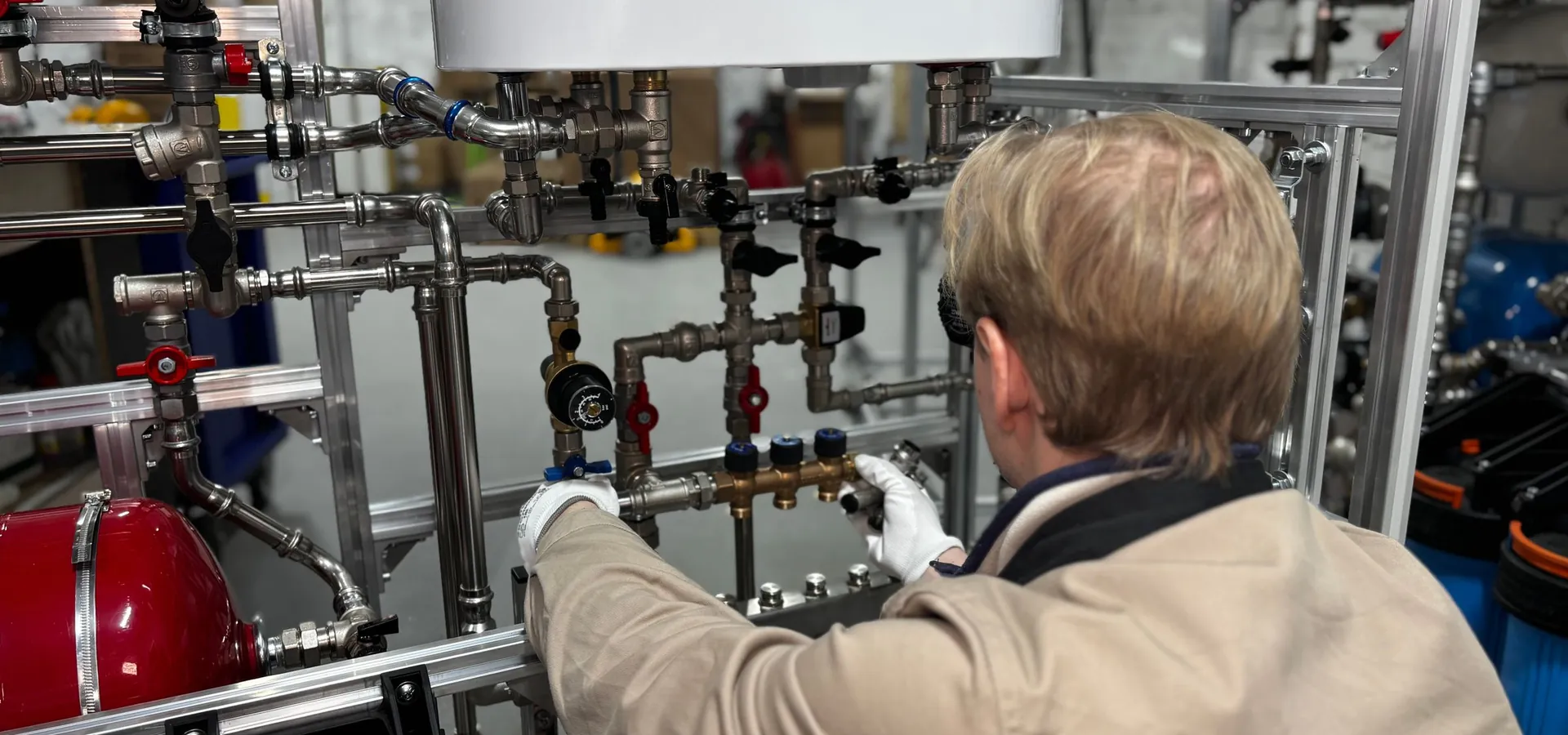

Radiators that warm all the way down and a boiler that no longer fights sludge: that is what a proper power flush is for. Describe your symptoms to Dependable Heating and ask for a quote.
Power flushing across Greater London starts with something you can see from your own hallway: which radiators are cold, and where on them. Describe what you find to Dependable Heating and a clear price comes back through the Quick Quote form.
The Quick Answer
- The signs that tell you radiators are blocked with sludge
- Why a cold radiator is not always a power flushing job
- How an older London home changes the answer
- What happens, step by step, during a power flush
- Which radiator and pressure checks you can safely do yourself
- Where the gas work line sits for boiler jobs
Dependable Heating is a heating and plumbing business covering London. Power flushing is one part of that range, and we cover power flushing in City of Westminster as we do across the rest of Greater London.
Describe your cold radiators to Dependable Heating through the Quick Quote form and get a clear price back anywhere in Greater London.
How do you know if your central heating system needs flushing?
You know your central heating system needs flushing when radiators stay cold at the bottom, heating takes a long time or bled water runs black or brown. A noisy boiler points the same way, because each of these means sludge is restricting the flow.
Tell Dependable Heating which radiators stay cold and where, and a clear price for sorting the system comes back through the Quick Quote form.
The signs that point to sludge in the system
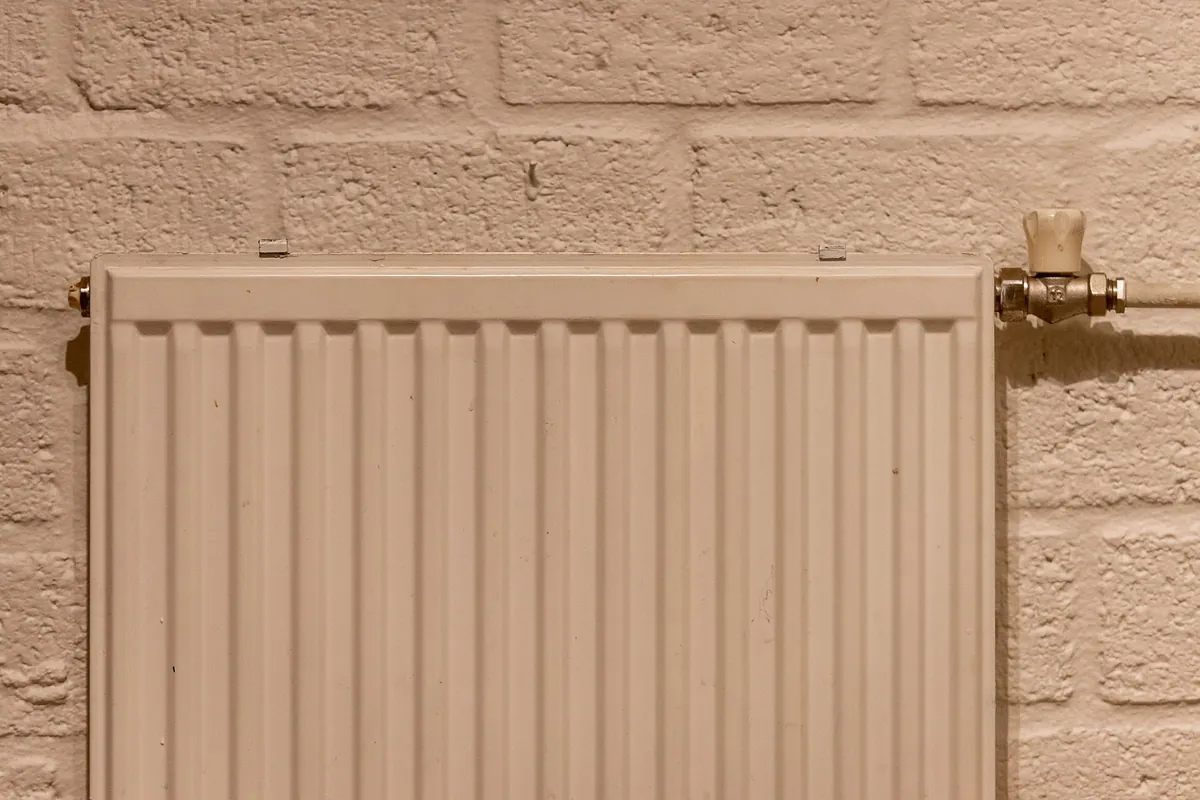
Sludge is the problem hiding behind most of these symptoms. Rust and debris settle in the lowest part of each radiator and the water cannot pass through them. The result is a radiator that is hot along the upper edge and cold along the bottom. Look there first.
Other signs add up. A boiler that rumbles, bangs or cuts out can be fighting a restricted flow. Rooms heat unevenly, with one radiator scorching and its neighbour barely warm. And when you bleed a radiator, the water tells you the rest: clear is fine, black or brown is not.
The same signs turn up across Greater London, and a home needing power flushing in Islington shows them in the same order. Cold bottoms first, then slow heating, then the noise.
What decides whether your system needs it
A cold radiator is not always a sludge problem. Trapped air gives a radiator that is cold at the upper edge, and a stuck valve can stop one heating at all. Neither needs a flush. Bleeding or a new valve does the job. That is why the pattern matters more than the single radiator.
Age counts. London has a large stock of older homes, including Victorian and Edwardian terraces, mansion blocks and converted townhouses. Many of them carry older pipework that has been added to over the years, and some of it is hard to reach. Older steel radiators and old pipework shed more rust than a modern system does.
The history of the system counts too. Several radiators cold at the bottom at once suggests a system-wide build-up. One cold radiator on an otherwise warm system points to a local fault. A boiler that was replaced while the old sludge stayed in the pipes can fall into the same trouble again. Count the cold ones before you decide.
A flush has limits too. It will not mend a leaking radiator, a failing pump or a boiler at the end of its life. Those need their own repair, and flushing around them only moves the problem. Know what you are paying to fix.
Tell Dependable Heating which radiators stay cold and where, and a clear price for sorting the system comes back through the Quick Quote form.
How a power flush works, step by step
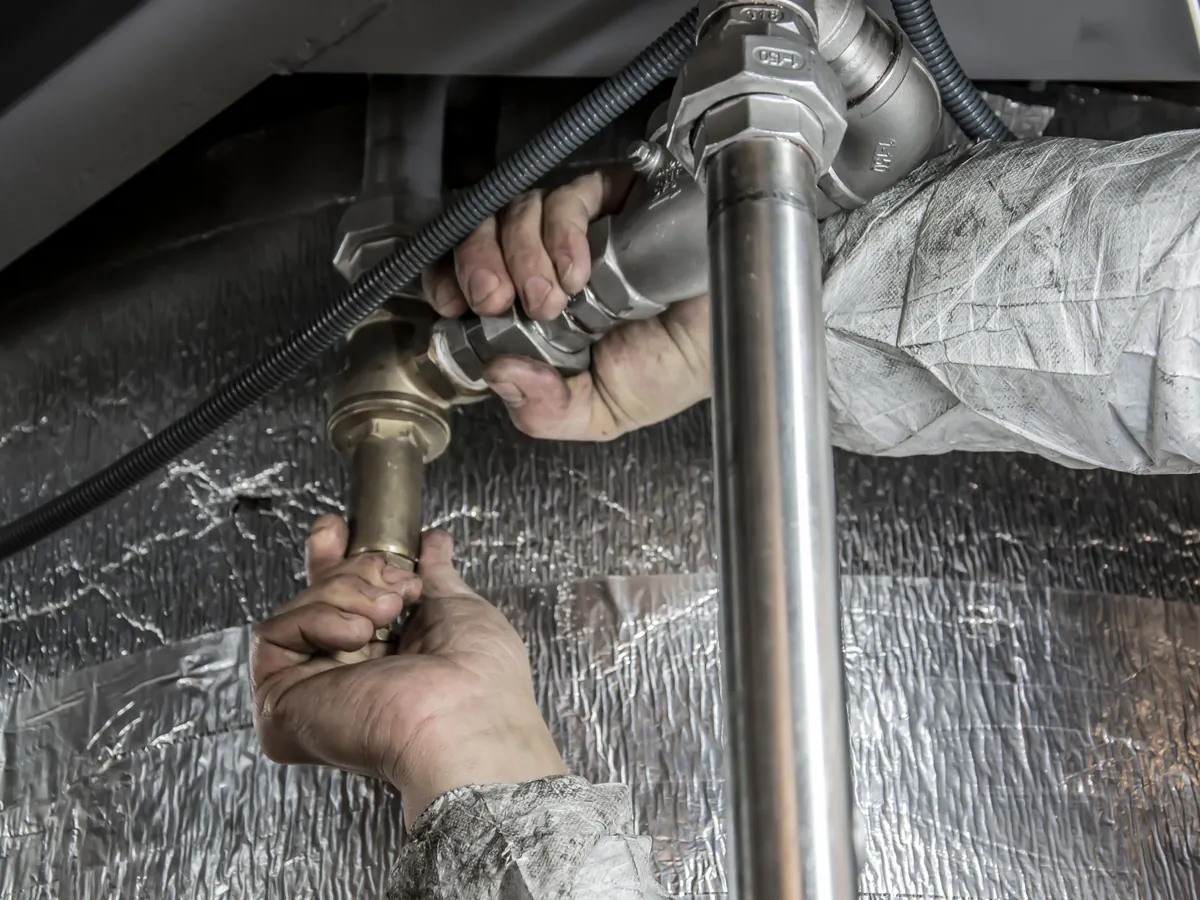
Most people picture a flush as running water through the pipes. It is more forceful than that. A power flush connects a pump to the system and drives water through it at speed, so that sludge is shifted rather than left to settle again.
- The system is isolated and the pump is connected, usually at the boiler or a radiator connection.
- A cleaning chemical goes in to loosen the deposits.
- Water is pushed through each radiator in turn, often in both directions, until the discharge runs clear.
- The system is refilled with a protective inhibitor so the build-up does not start straight away.
That is what power flushing involves in practice. The order matters, and it is slow work on a system with many radiators. It cannot be rushed. Every radiator gets its turn.
Expect some disruption. Radiators are drained and filled, rooms need to be reachable, and there is water about. Cover the floors under the radiators. The mess is short-lived and the system is the better for it.
What you can check yourself and what needs an engineer
Some checks are yours to make. Bleed a radiator with a radiator key and see what comes out. Look at the pressure gauge on the boiler. Feel each radiator when the heating has been on for a while and note which are cold and where. Write it down, because that list is what a professional wants to hear.
A power flush is not one of those jobs. It needs a pump, the right chemicals and a way to direct water through one radiator at a time. A hosepipe and a free weekend will not do it.
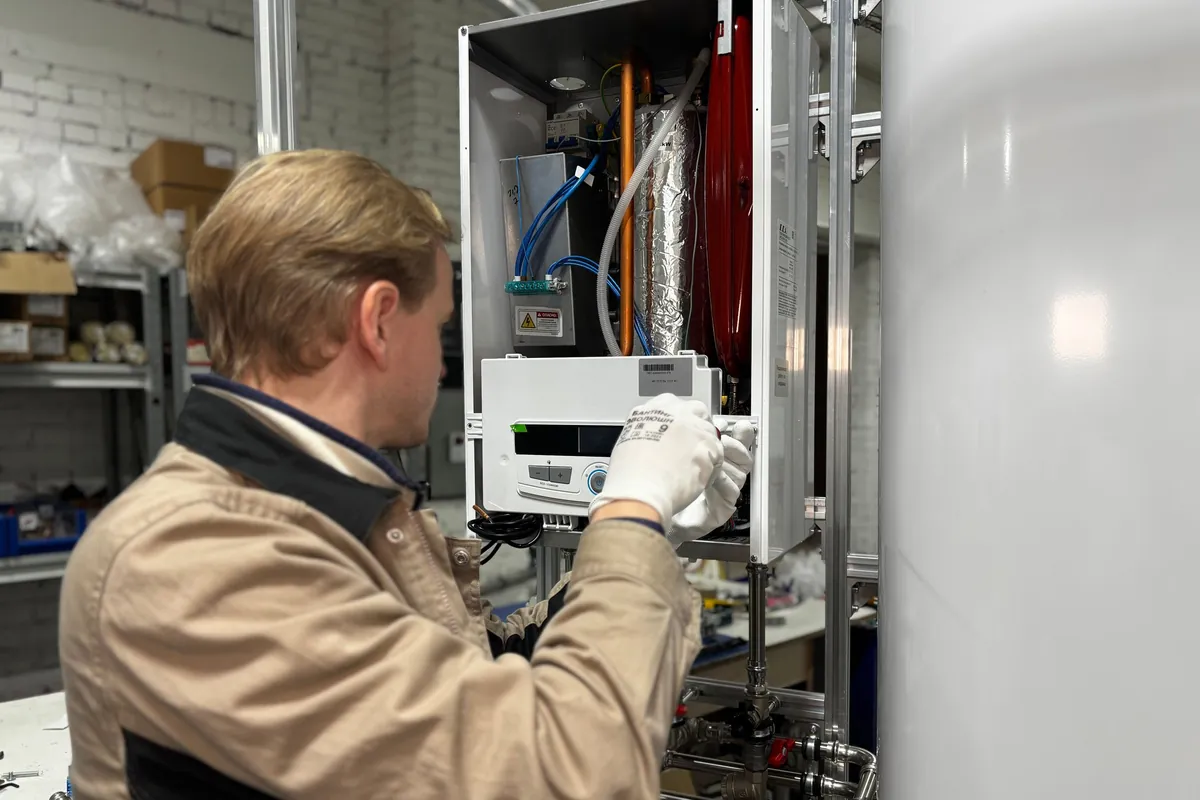
The boiler is a separate matter. The law requires anyone doing gas work to be competent. Anyone doing it as a business must be Gas Safe registered, and HSE and Gas Safe Register advise using a registered engineer. Opening up a boiler is gas work. Leave it alone.
Tell Dependable Heating which radiators stay cold and where, and a clear price for sorting the system comes back through the Quick Quote form.
If this guide has told you what the problem is, the power flushing page linked above explains how the visit runs and how it is priced, and the form below gets it booked.
Quick Quote Online