

Leak Detection
A damp patch and no idea where it is coming from? Find it before lifting a single board
Hidden leaks under floors, behind tiles, inside walls and in the pipework nobody can see, traced with thermal imaging, acoustic equipment, tracer gas and pressure testing. Then repaired through the smallest opening possible, with a report an insurer accepts.
What people say when the leak turns out to be one joint, not a whole floor
What the work involves
A leak you can see is a plumbing job. A leak you cannot see is a detection job, and the difference matters because the wrong approach to a hidden leak is expensive: floors lifted on a guess, tiles smashed off a wall to find dry pipework behind it, a kitchen taken apart to reach a joint that was in the bathroom all along. The point of leak detection is to know where the water is coming from before anyone picks up a crowbar.
Dependable Heating traces leaks in houses, flats and small commercial premises across London. The symptoms that bring people to this page are familiar: a boiler that needs topping up every few days, a damp patch that spreads, a water bill that has doubled, a warm spot on a floor, a smell of damp in one room, a ceiling stain in the flat below. Each of those is a clue, and the survey works from the clues to the source.
Once found, the leak is repaired by the same engineers, whether it is a heating pipe, a mains supply, a waste or a shower tray. Where the leak is on a heating circuit it is often the reason behind a boiler pressure fault, and where it is a blocked or broken waste it becomes a drain repair. The service covers the areas served across London.
How leak detection works
Detection is a process of elimination. A property has several separate water systems: the cold mains, the hot water, the central heating and the wastes, plus rainwater from outside. The first job is to work out which one is leaking, by isolating and pressure testing each in turn. Then the leaking system is traced along its route with equipment that sees or hears through the building fabric, until the wet point is pinned down to a small area. Only then is anything opened up, and only there.
Signs of a hidden leak
A boiler that keeps losing pressure with no visible drip. A damp patch on a wall or ceiling that dries and returns. Skirting or flooring that has lifted or gone soft. A warm area on a floor with no heating pipe you know of. Mould in a corner with no condensation to explain it. A water meter that turns when everything is off. A bill that has jumped. A faint hiss at the stopcock at night. A musty smell in one room. None of these is proof on its own, and all of them are worth a survey before they become a ceiling on the floor.
Leak detection methods
Thermal imaging reads the surface temperature of floors and walls. A leaking heating pipe shows as a warm plume; a mains leak shows as a cold patch where evaporation is cooling the surface. Acoustic listening uses ground microphones to hear the noise of water escaping under pressure, which is the main tool for mains leaks under solid floors. Tracer gas is used when the others cannot reach: the pipe is drained, filled with a harmless hydrogen-nitrogen mix, and a detector finds where the gas rises through the floor. Moisture mapping with capacitance and pin meters outlines the wet area and its wettest point. Endoscope cameras look inside voids through a small drilled hole. Dye testing confirms wastes, shower trays and bath seals. Several methods are used on each survey and the results cross-checked before anything is opened.
Trace and access investigation
Most home and buildings insurance policies include trace and access cover: the cost of finding a leak and of making good what has to be opened up to reach it. What the insurer needs is a proper report: the symptoms, the methods used, the findings, photographs and thermal images, the location of the leak and the recommended repair. The survey is written up in that form, so a claim is straightforward. The repair of the leaking pipe itself is normally not covered by insurance, and that is quoted to you separately and honestly.
Leak repairs and reinstatement
Once the source is known, the repair is usually small: a joint remade, a section of pipe replaced, a valve changed, a shower tray resealed. The access is kept to the minimum, one or two floorboards or tiles rather than a whole floor, and the opening is left ready for making good. Where the leak is on a pipe buried in a concrete screed and the pipe is old, the honest advice is sometimes to abandon that run and re-route it in an accessible place rather than patch a pipe that will fail again a metre further on.
Insurance claim support
The report from the survey is written for the claim: what was found, where, how, with the evidence. Where the insurer needs a repair quote, one is provided. Where the leak is in another flat or in a communal part of a building, the report says so clearly, because who pays depends on where the pipe is, and a clear finding avoids a long argument between neighbours and managing agents.
Emergency call-out service
Water pouring through a ceiling is an emergency first and a detection job second. The emergency visit isolates the supply, makes the property safe and stops the damage getting worse. The detection survey follows in daylight with the equipment, because tracing a leak at midnight with a torch is how floors get lifted for nothing. If the emergency has already been dealt with by someone else, the survey can be booked directly.
Common leak sources
In London housing the usual suspects are: compression joints on heating pipes under floors that have worked loose over decades of expansion; copper heating pipes chased into concrete screed and corroded from the outside; push-fit joints that were never fully inserted; shower trays and bath seals that only leak when someone is standing in them; waste pipes with a joint that has dropped; toilet pan connectors; the mains pipe between the street and the stopcock, often still lead in older properties; and pinholes in the bottom seam of old radiators. Flat roofs, gutters and window seals account for a fair share of "leaks" that are not plumbing at all, and the survey rules those in or out too.
How a job runs
How a leak detection survey runs
Isolate, test, trace, confirm, open. In that order, and nothing is opened until the last step.
01
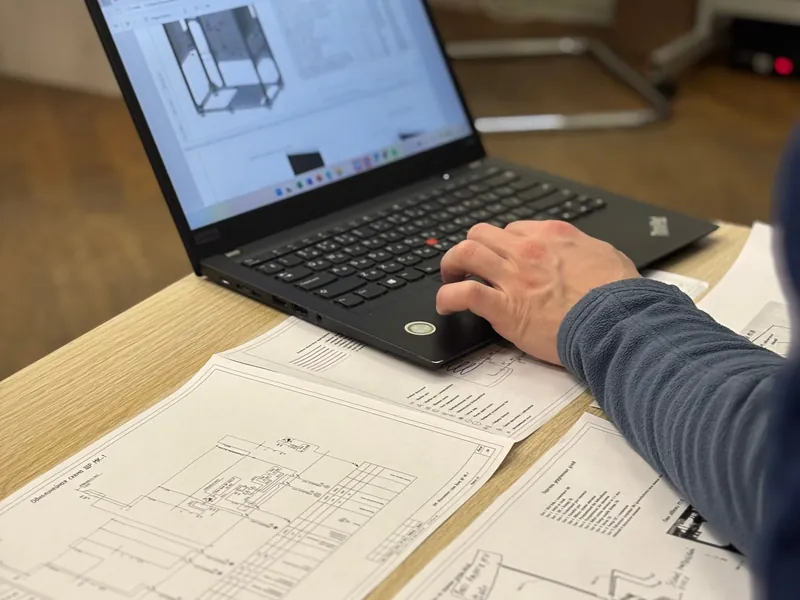
Symptoms and history
Where it is wet, when it got worse, what has already been tried and what the boiler pressure and meter are doing. This shapes the survey.
02
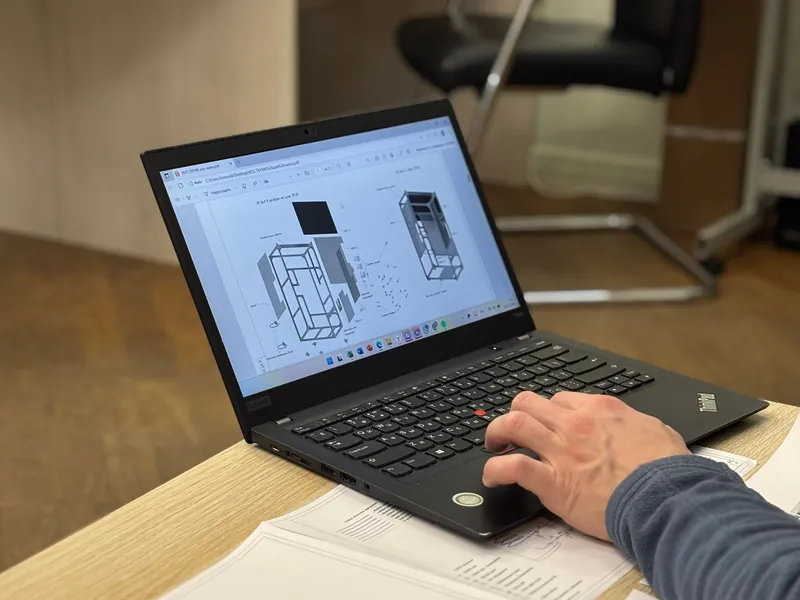
Isolate and test
Each water system pressure tested in turn to prove which one is leaking. Wastes and trays dye tested.
03
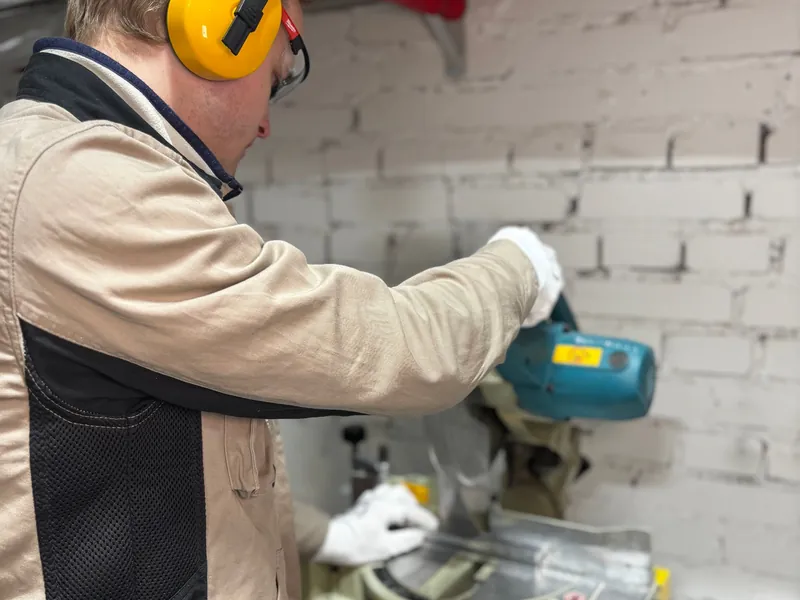
Trace
Thermal imaging, acoustic listening, moisture mapping and tracer gas along the route of the leaking system until the wet point is pinned down.
04
Report and repair
A written report with photographs and findings for you and your insurer, the repair quoted, and the opening kept to the minimum.
Quick Quote Online
A leak you cannot see? Get it traced before the damage spreads
Describe the symptoms and where the property is. An engineer calls back to arrange the survey and give you the price.
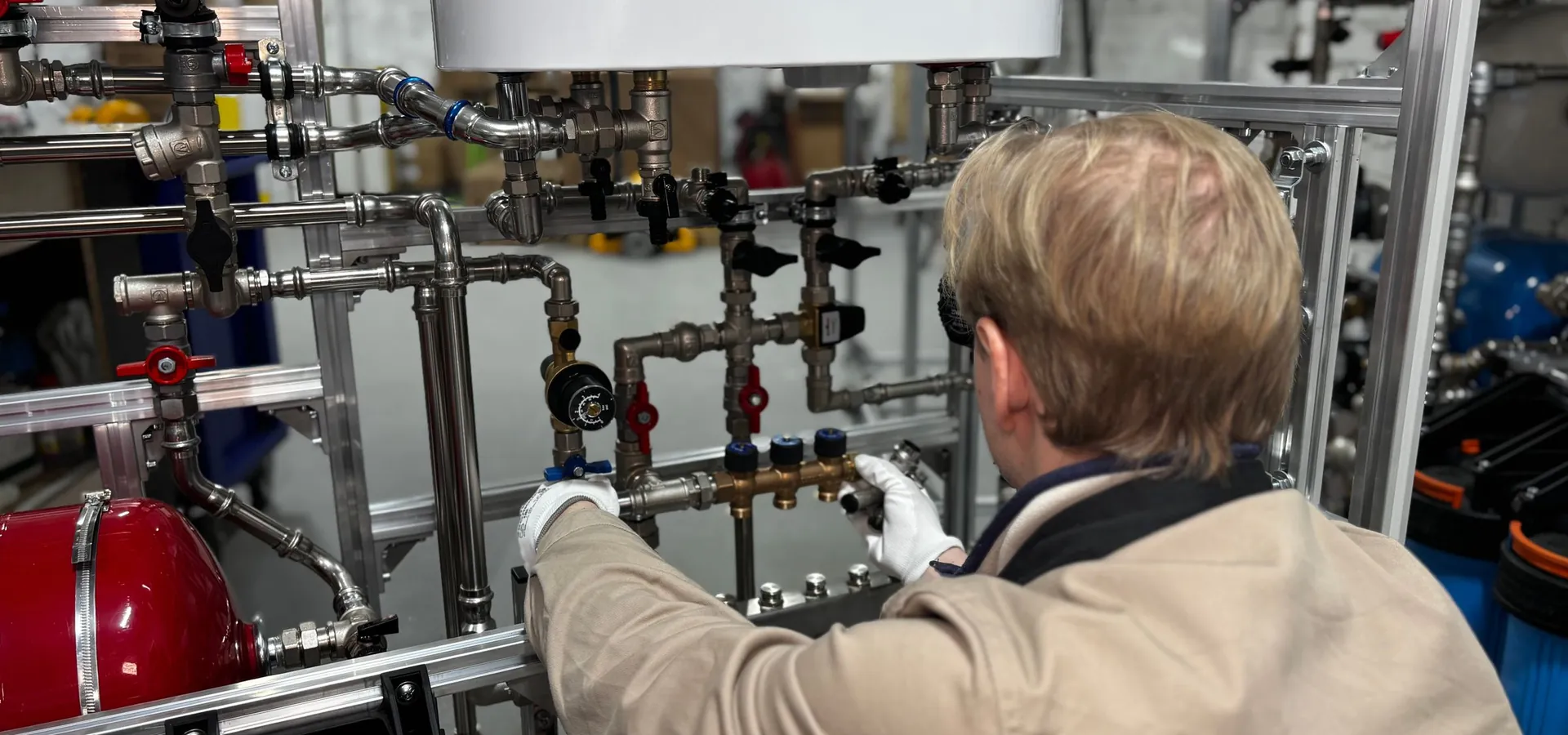
Leak Detection: the kind of work behind the page
Get Yours QuotedFour from the gallery. The full set is on the home page, every one opens full size.
Quick Quote OnlineWhere we work
Leak detection across London
Screeded floors in post-war estates, suspended timber floors in Victorian terraces, mansion blocks where the leak is two flats away from the stain. The towns below are covered for surveys and repairs.
- London
- City of Westminster
- Islington
- Chelsea
- Battersea
- Holloway
- Brixton
- Peckham
- Fulham
- Archway
- Shepherds Bush
- Canary Wharf
- Stamford Hill
- Willesden
- Cricklewood
- Putney
- Streatham
- Stratford
- Catford
- Canning Town
- Acton
- Wimbledon
- Tottenham
- Finchley
- Leytonstone
- Walthamstow
- Mitcham
- Wembley
- Beckenham
- Brent
- Morden
- Edmonton
- Eltham
- Croydon
- Barking
- Ilford
- Carshalton
- Enfield Town
- Chingford
- Greenford
- Harrow
- South Croydon
- Hounslow
- Welling
- Southall
- Heston
- Surbiton
- Sutton
- Becontree
- Purley
- Borehamwood
- Ewell
- Bexley
- Hayes
- Dagenham
- Feltham
- Banstead
- Cheshunt
- Esher
- Romford
- Dartford
- Watford
- Uxbridge
- Staines
- Leatherhead
- Hatfield
- Redhill
- St Albans
- Grays
Jobs that often go with this one

Emergency Plumber
Burst pipes, water pouring through a ceiling, a stopcock that will not turn or no hot water on a cold morning. Tell us what is happening and we get someone moving.
Plumber
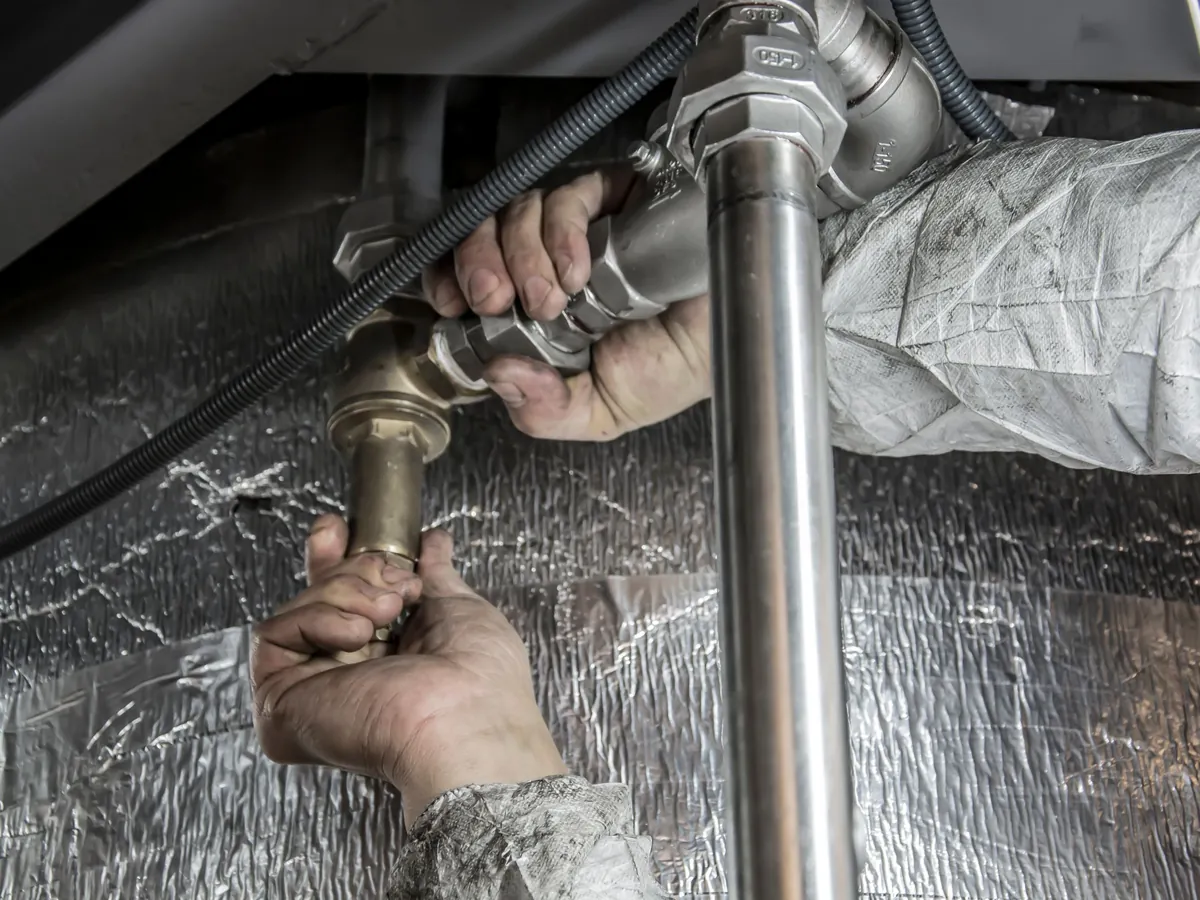
Taps, toilets, ball valves, stopcocks, pipework and the small jobs that turn into big ones if they are left. A local plumber for London homes and flats.
Boiler Repair
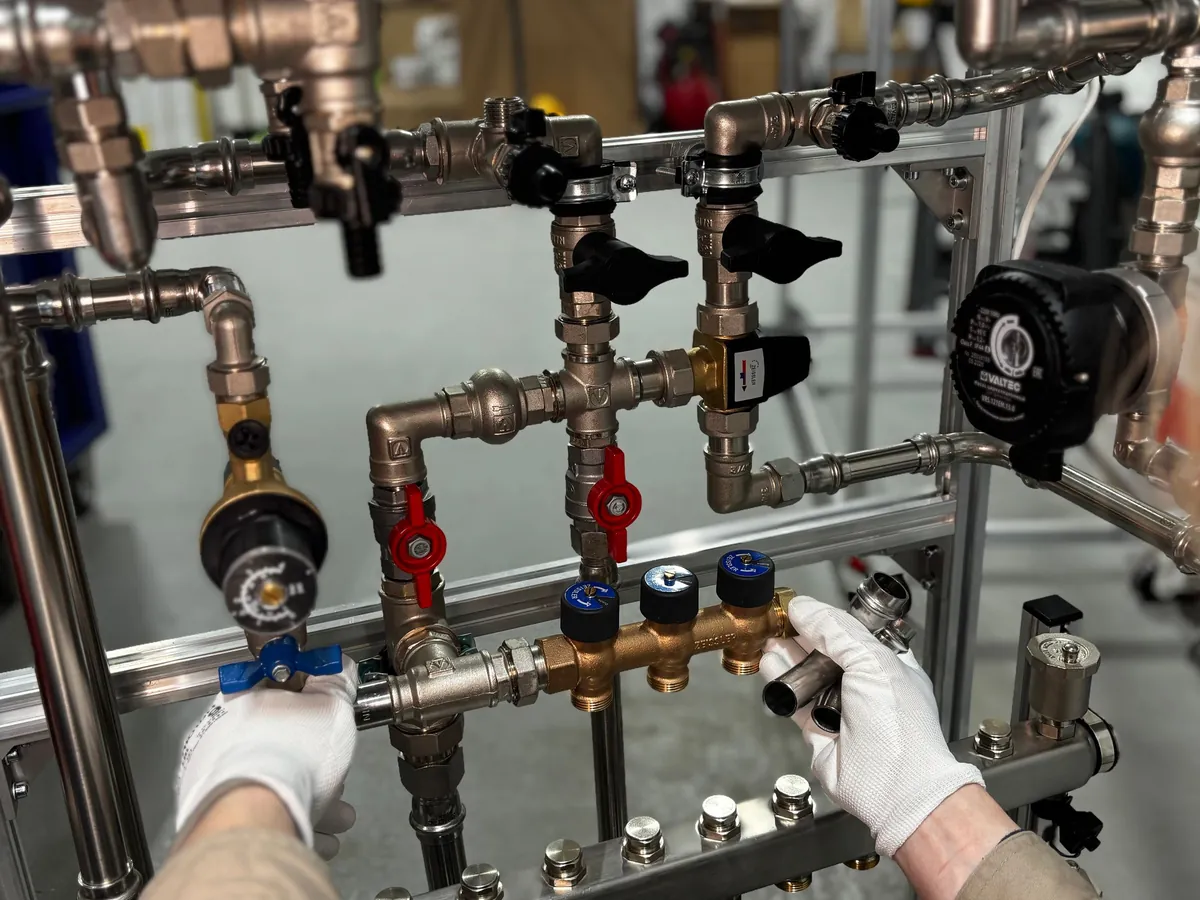
Fault codes, lockouts, low pressure, leaks, no heating or no hot water. Diagnosed properly, priced before the repair starts, and fixed with the right parts.
FAQ
Leak Detection: the questions people ask first
How do you find a leak without ripping up the floor?
By proving which water system is leaking with pressure tests, then tracing that system with thermal imaging, acoustic equipment, moisture mapping and tracer gas until the wet point is pinned down to a small area. Only then is a board or a tile lifted, and only there.
Is leak detection covered by insurance?
Many home and buildings policies include trace and access cover, which pays for finding the leak and making good the access. The repair to the pipe itself is usually not covered. The survey report is written in the form insurers need.
My boiler keeps losing pressure but there is no wet patch. Is that a leak?
Almost certainly, if the expansion vessel has been ruled out. Heating leaks under floors evaporate as fast as they leak and rarely show. A pressure test on the heating circuit confirms it, and thermal imaging finds the warm plume.
How long does a leak survey take?
Two to four hours for a typical flat or house. Complex properties, or a mains leak under a large solid floor, can take longer. You are told the expected time when you book.
The leak is coming from the flat above. Can you still help?
Yes. The survey establishes where the water is coming from and the report says so clearly, which is what you need for the neighbour, the managing agent and the insurer. With the neighbour's agreement the repair can be done in their flat.
Do you repair the leak as well as find it?
Yes. The same engineers do the repair, whether it is a heating pipe, a mains supply, a waste or a shower seal, and the repair is quoted from the survey findings.
Anything not covered here is answered on the contact page, and the longer reads on boilers, radiators and leaks live in our heating guides.
Quick Quote Online
Describe the wet patch and what the boiler and meter are doing
Where it is, when it appeared, whether the heating pressure is dropping and whether the meter moves with everything off. That is the start of the survey.
- A written price before any work starts
- Boilers, gas, plumbing, drains and bathrooms under one roof
- London and the towns around it